
Key Takeaways
Private road insurance is a specialist public liability policy that protects owners, residents’ associations and management companies against third-party claims for injury, property damage or illness arising from the condition of a private or unadopted road.
This insurance is not legally compulsory in the UK, but it is strongly recommended because property owners (rather than the local authority) bear responsibility for maintaining private roads and can be held liable for accidents.
Cover typically extends to the road surface, verges, communal parking areas, footpaths, and installations such as electric gates, barriers and street furniture.
Private road insurance cost depends on factors including road size (often policies cover roads up to 5 acres), location, traffic levels and any additional structures, with premiums sometimes starting around £175 plus insurance premium tax.
Quotes are usually available within minutes online or via specialist insurance brokers, and policies commonly include claims support, legal expenses cover and an in house claims team to handle incidents.
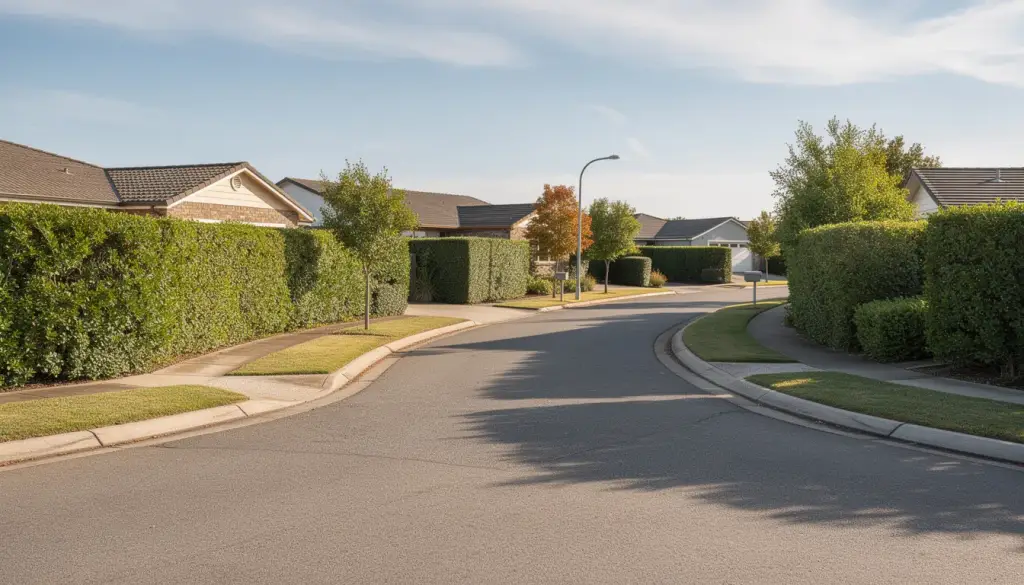
If you own a property on a private road in the UK, there’s a good chance you share responsibility for that road with your neighbours. Unlike public roads maintained at public expense by the local authority, many roads in residential developments are “unadopted” – meaning the residents themselves are legally responsible for upkeep and, crucially, for any accidents that occur.
This is where private road insurance becomes essential. Without it, you could face substantial financial exposure if someone trips on a cracked kerb, damages their vehicle in a pothole, or suffers a more serious personal injury on your stretch of road.
In this guide, we’ll explain exactly what private road insurance covers, whether you need it, what it typically costs, and how to arrange the right insurance for your situation.
What Is Private Road Insurance?
Private road insurance is a specialist form of liability insurance designed specifically for owners of private streets and unadopted roads. It differs significantly from standard home insurance or motor insurance, which typically won’t provide cover for shared road liability.
In the UK, many roads are classed as “private” or “unadopted” under the Highways Act 1980. This means they are not maintained at public expense and are instead the responsibility of the property owners fronting the road – often referred to as “frontagers.” These private roads can include:
Residential cul-de-sacs and mews
Shared driveways and access lanes
Estate roads in housing developments
Private streets serving multiple properties
Private road insurance is primarily a public liability insurance policy. It protects owners, a residents association, and any associated management company against third-party claims for injury, property damage or illness linked to the condition of the road, paths, verges or communal areas.
Practical examples of covered incidents include:
Scenario | Type of Claim |
|---|---|
A visitor trips on a broken kerb and fractures their wrist | Third party injury claim |
A delivery driver’s van suffers suspension damage from a deep pothole | Property damage claim |
A cyclist skids on a poorly maintained surface and requires hospital treatment | Personal injury claim |
A postal worker slips on ice that wasn’t gritted | Liability claim for injury |
The insurance policy can also extend to physical assets associated with the road, such as electric gates, barriers, signage, lighting columns, bin stores and other structures, depending on the insurer’s wording. Some policies also cover liquid petroleum tanks, street furniture and other installations that form part of the communal areas. |
Scenario
Type of Claim
A visitor trips on a broken kerb and fractures their wrist
Third party injury claim
A delivery driver’s van suffers suspension damage from a deep pothole
Property damage claim
A cyclist skids on a poorly maintained surface and requires hospital treatment
Personal injury claim
A postal worker slips on ice that wasn’t gritted
Liability claim for injury
The insurance policy can also extend to physical assets associated with the road, such as electric gates, barriers, signage, lighting columns, bin stores and other structures, depending on the insurer’s wording. Some policies also cover liquid petroleum tanks, street furniture and other installations that form part of the communal areas.
Do I Need To Insure My Private Road?
Private road insurance is not a legal requirement in the UK. However, owners have a common law duty of care to people using the road, which means insurance is strongly recommended for anyone who wants financial protection against claims.
When a road is unadopted, the responsibility for maintaining private roads falls on the owners of properties that front onto it. This concept of “frontagers” means that several households often share joint responsibility for a shared private road, cul-de-sac, driveway, mews or access lane.
Consider a practical example: a 12-property cul-de-sac in Surrey built in 1998. If the road was never adopted by the local council, all 12 property owners are jointly owned as responsible parties. Each could potentially be held liable for accidents occurring anywhere on that road.
Common sources of legal liability include:
Potholes and surface defects
Cracked paving slabs on footpaths
Standing water and poor drainage
Defective drainage covers
Fallen branches from roadside trees
Ice buildup on steep driveways
Poorly lit communal parking areas
Even if your road appears quiet and is primarily used by residents, you still face significant exposure. Deliveries, postal workers, tradespeople, visitors, and anyone with legitimate access all create potential claims. One serious injury claim can easily run into tens of thousands of pounds in compensation and legal fees.
Some mortgage lenders, managing agents and freeholders may expect evidence of suitable liability cover for private roads serving a development, particularly where there are communal parking areas, shared access arrangements or other owners relying on the same infrastructure.
Types of Cover Available for Private Roads
Private road liability insurance is typically modular, allowing owners or a management company to select elements that suit their specific situation and budget. Here’s what’s commonly available:
Core Public Liability Cover
The foundation of any private road insurance policy is public liability cover. This provides protection against claims for:
Third party injury occurring on the road or associated areas
Property damage to vehicles, equipment or personal belongings
Illness arising from road conditions (such as trips, falls or accidents)
Typical indemnity limits range from £1 million to £5 million per incident. For most residential roads, £2 million is commonly recommended, though larger estates or roads with heavier traffic may benefit from higher limits.
Property Damage Cover for Structures
Optional material damage cover can protect physical structures linked to the road:
Road surfacing, kerbs and bollards
Speed humps and road markings
Street lighting columns
Communal parking areas and hard standings
Landscaped verges (including re landscaping costs if damaged)
Fencing, walls and boundaries
This cover helps pay for repairs following accidental damage, vandalism, storm damage or other insured events.
Legal Expenses Cover
Legal expenses cover is a valuable addition that helps pay for:
Solicitors’ fees and defence costs
Court representation if claims proceed to litigation
Disputes with contractors over road repairs
Recovery of costs from negligent third parties
This benefit can save thousands if a claim becomes contentious or requires expert advice.
Additional Options for Larger Estates
Larger developments or those with employed staff may need further details of specialist cover:
Cover Type | Purpose |
|---|---|
Employers liability | Protects against claims from employed caretakers, gardeners or maintenance teams |
Directors’ and officers’ liability | Protects committee members making decisions about road management |
Own tools cover | Covers equipment used for road maintenance |
Trustee liability | Protects association trustees from personal claims |
Cover Type
Purpose
Employers liability
Protects against claims from employed caretakers, gardeners or maintenance teams
Directors’ and officers’ liability
Protects committee members making decisions about road management
Own tools cover
Covers equipment used for road maintenance
Trustee liability
Protects association trustees from personal claims
Special Considerations: Electric Gates, Barriers and Shared Access
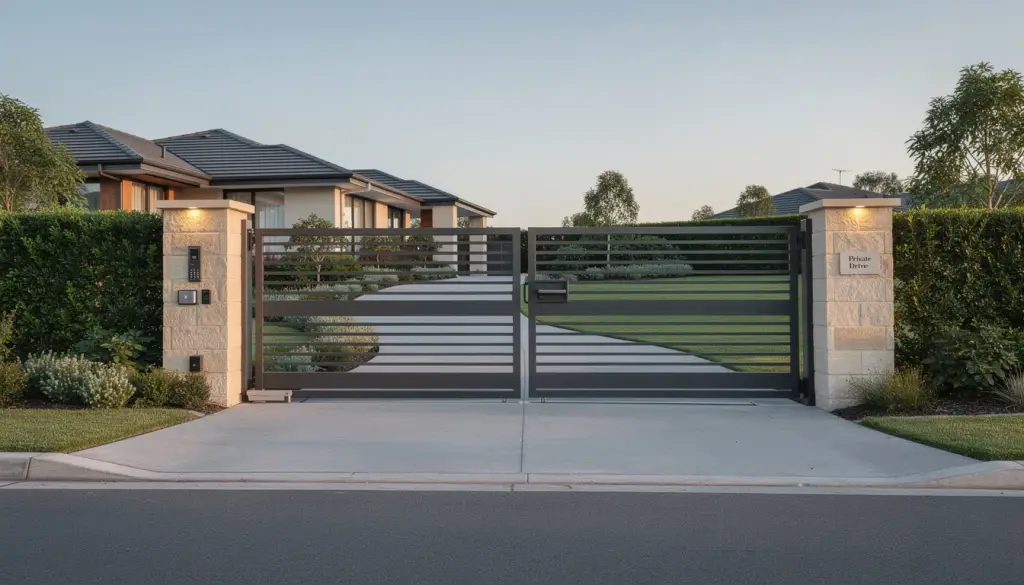
Mechanical and electronic features on private roads can increase risk exposure and often need to be scheduled specifically on the policy. Standard cover may not automatically include these installations.
What Can Be Covered?
Electric gates, rising bollards and barriers can typically be insured against:
Accidental damage (such as vehicle impact)
Vandalism and malicious damage
Storm and weather damage
Electrical or mechanical failure
Other structures damage from falling trees or debris
The extent of cover depends on the insurer and policy wording, so it’s important to check that your specific gates are included.
Liability Risks Unique to Gates and Barriers
Gates and barriers create specific liability risks that owners must consider:
Injuries caused by malfunctioning mechanisms
Gates closing on vehicles or pedestrians
Failure of safety sensors or pressure mats
Inadequate warning signage
Poor maintenance leading to unexpected failures
Insurers may expect evidence of reasonable upkeep when handling a claim. Keep maintenance records, servicing dates and inspection logs for all mechanical installations. Regular professional servicing demonstrates you’ve taken reasonable care.
Mixed Use and Shared Access
Roads with mixed use present additional considerations. If your access serves both commercial premises and residential properties, or if there’s a public right of way, insurers may ask about:
Daily traffic volumes and vehicle types
Commercial vehicle access (lorries, delivery vans)
Any public rights of way or easements
Hours of use and peak periods
Security arrangements and access controls
Being upfront about these details helps ensure you get the right insurance from the outset.
How Much Does Private Road Insurance Cost?
Premiums for private road insurance vary widely depending on the specific risk profile. While we can’t quote exact figures, here’s what influences cost: choosing a private health insurance plan.
Typical Starting Points
For roads covering up to around 5 acres, policies sometimes start in the region of £175 plus insurance premium tax. However, exact costs depend on numerous factors and the best cost for your situation may differ significantly.
Key Rating Factors
Factor | Impact on Premium |
|---|---|
Total length and area of road | Larger roads = higher premiums |
Number of properties served | More properties = more exposure |
Geographic location | Urban areas may cost more |
Claims history | Previous claims increase premiums |
Road condition and construction | Well-maintained roads cost less to insure |
Gradients and terrain | Steep slopes increase risk |
Lighting provision | Poor lighting increases accident risk |
Gates, barriers and retaining walls | Additional features add to premium |
Factor
Impact on Premium
Total length and area of road
Larger roads = higher premiums
Number of properties served
More properties = more exposure
Geographic location
Urban areas may cost more
Claims history
Previous claims increase premiums
Road condition and construction
Well-maintained roads cost less to insure
Gradients and terrain
Steep slopes increase risk
Lighting provision
Poor lighting increases accident risk
Gates, barriers and retaining walls
Additional features add to premium
Factors That Increase Premiums
Choosing higher indemnity limits (for example, £5 million instead of £1 million for third-party liability) will increase the overall premium. Similarly, adding legal expenses cover, property damage cover for structures, and employers liability for employed staff all contribute to cost.
Reducing Individual Costs
Residents can often achieve significant savings by arranging a collective policy through a residents association or management company rather than each owner attempting to arrange separate liability cover. Spreading the premium across all other owners makes the cost per property much more manageable.
For a road serving 12 properties, even a £400 annual premium works out at just over £33 per household – a small price for protection against claims that could otherwise pay out tens of thousands of pounds.
Arranging and Managing Private Road Insurance
Getting cover in place requires clear documentation and cooperation between neighbours. Here’s a practical roadmap:
Form or Use an Existing Association
The most efficient approach is to have a single insured party – typically a residents association, management company or road committee. This entity can:
Act as the named policyholder
Collect contributions from residents
Handle communication with the broker or insurer
Manage claims and maintenance coordination
Ensure the policy is reviewed and renewed
If no association exists, forming one is usually straightforward and provides a formal structure for managing shared responsibility.
Information Required for Quotes
When approaching insurance brokers for quotes, be prepared to provide:
Full address and postcode of the road
A plan or description of the road and communal areas
Confirmation of ownership and responsibilities
Current condition assessment
Details of recent or planned maintenance
Any prior incidents or claims in the last 3-5 years
Information about gates, barriers and other structures
Approximate traffic levels and types of vehicles
Get a quote with our insurance brokers using your details above
Getting Quotes
Rather than relying on standard household policies (which rarely extend to shared roads), approach specialist brokers who understand unadopted roads. Companies like Edwards Insurance Brokers and other specialists can provide cover tailored to private road situations.
Obtain and compare quotes from 2-3 different providers. Look beyond just the premium – consider policy wording, excess levels, claims handling and whether there’s an in house claims team to provide cover and support.
Ongoing Management
Private road insurance isn’t a “set and forget” arrangement. Good practice includes consulting an experienced insurance broker in Bristol:
Reviewing cover annually before renewal
Updating sums insured when improvements are made
Notifying the insurer of significant changes (new gates, speed ramps, etc.)
Maintaining the road in reasonable condition
Keeping records of maintenance and repairs
Ensuring prompt repair of hazards to remain compliant with policy terms
Communicating with all residents about their responsibility
Contact your team today if you need to make changes or have questions about your cover.

Frequently Asked Questions
Can my home insurance cover my share of a private road?
Standard home insurance policies rarely cover shared road liability. The land beyond your property boundary – including a shared private road – typically falls outside standard household policy wording. You’ll usually need a dedicated private road policy arranged through a residents association or management company to properly insure against liability arising from the road itself.
What happens if some neighbours refuse to contribute to the insurance?
This is a common challenge. Legal liability typically still attaches to all owners regardless of whether they contribute to the premium. The association may proceed with arranging a policy and attempt to recover costs via existing covenants, lease conditions or estate rules. In some cases, legal advice may be needed to enforce contribution obligations. The key point is that the road needs to be insured – uncooperative neighbours don’t eliminate the underlying liability.
How do I find out if my road is private or adopted?
Several resources can help you establish whether your road is maintained at public expense or is privately owned:
Contact your local authority highways department directly
Use online services like FindMyStreet
Check your property’s title deeds and Land Registry plans
Look for “Private Road” signage or markings
Ask the developer or management company if your property is part of an estate
If the road was built after the property and never formally adopted by the council, it’s almost certainly private.
What should I do if someone is injured on our private road?
If an accident occurs, follow these steps:
Provide immediate medical assistance and call emergency services if needed.
Take photographs of the scene, including the hazard that caused the accident.
Collect contact details of any witnesses.
Report the event to your insurer or broker straight away.
Do not admit liability before an investigation has been completed.
Cooperate fully with the insurer’s claims team.
Keep all correspondence and documentation.
Prompt notification to your insurer is crucial – delayed reporting can sometimes affect cover.
Does private road insurance cover damage to my own vehicle?
No. Private road insurance is third-party liability insurance protecting you against claims from others. Damage to your own vehicle would need to be claimed through your motor insurance policy. Private road insurance covers your liability when others suffer injury or property damage due to the road’s condition, not your personal losses.