
Introduction: What is High Net Worth Property Insurance?
High net worth property insurance is specialist cover designed for homes typically valued at £750,000 or more, or for households where contents regularly exceed £150,000. This includes collections of fine art, jewellery, watches, and other valuables that simply cannot be adequately protected under a standard home insurance policy.
Think of it as a step up from conventional UK home insurance. Where mass-market policies impose restrictive limits on individual items and total valuables, high net worth insurance offers higher limits, broader “all risks” protection, and tailored cover that accounts for complex, architect-designed, or listed properties. The policy wording is crafted to address the realities of owning a period townhouse, a country estate with outbuildings, or a contemporary home filled with bespoke fixtures.
In plain English, here’s how it works: a single high net worth policy can protect your main residence, second homes, holiday homes, and high value contents—often with worldwide cover for possessions you take with you when travelling. Rather than juggling multiple insurance policies with different renewal dates and coverage gaps, everything sits under one coordinated programme.
Key concepts to understand:
- Cover extends to buildings, contents, and personal possessions across multiple properties
- Policies are designed for non standard features like basements, swimming pools, and smart-home systems
- Limits for jewellery, art, and collectibles are significantly higher than standard policies
- Claims handling is typically faster, with access to specialist restorers and craftspeople
- One policy schedule can encompass UK and overseas properties
- Liability, office contents, property & professional risks are covered for estate agents through tailored insurance solutions
This article focuses on UK residents and references schemes and practices in force since 2016, including the Flood Re initiative and modern approaches to reinstatement cost assessments.
Who Needs High Net Worth Property Insurance?
High net worth home insurance isn’t exclusively for the ultra-wealthy. It’s designed for anyone whose property or possessions exceed the protection thresholds of standard insurers—whether you’re an entrepreneur who has built a successful business, a professional with a valuable art collection, or a family that has accumulated significant assets over generations.
Concrete eligibility triggers include:
- Property rebuild cost above £500,000 (remember, this differs from market value)
- Total contents valued at £150,000 or more
- Individual items such as jewellery, watches, or art worth £10,000 or more
- Collections—whether wine, rare books, or vintage timepieces—that exceed standard policy limits
Typical scenarios where high net worth property insurance becomes essential:
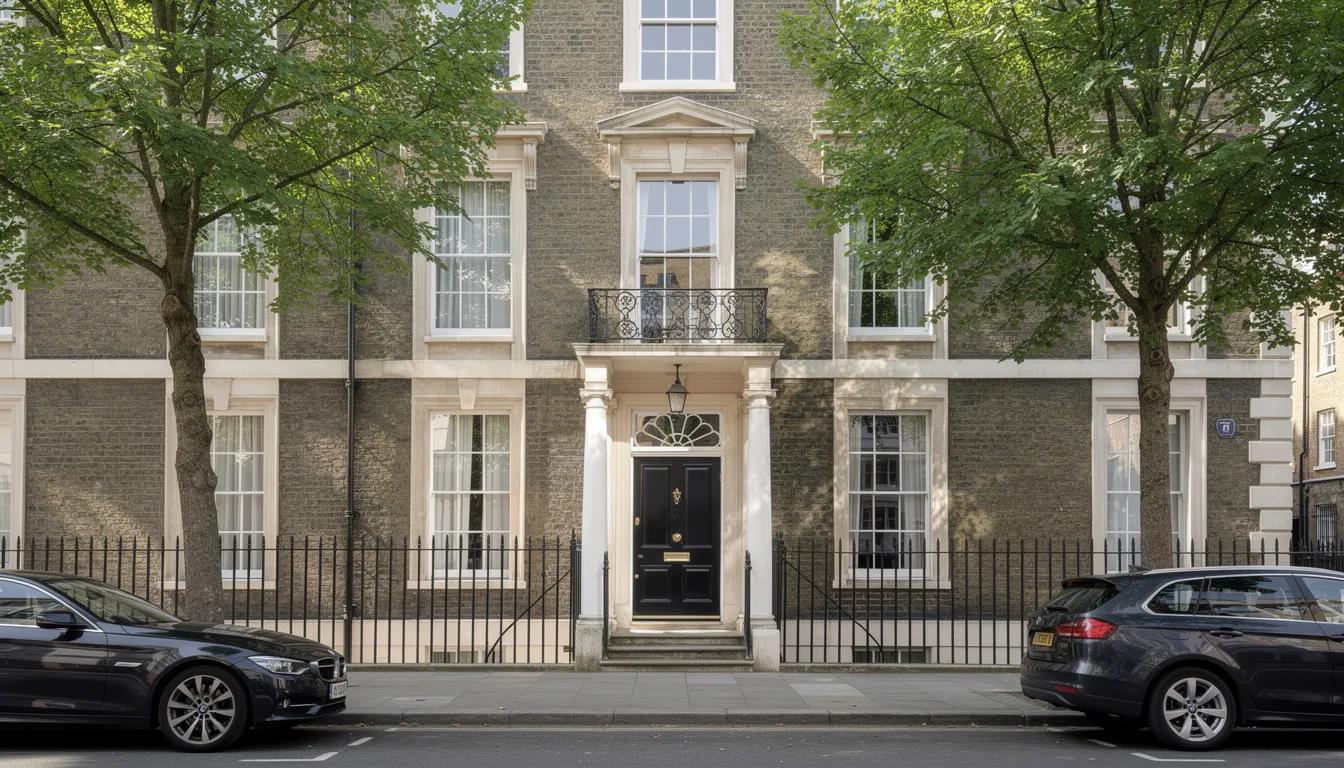
- A Grade II listed London townhouse with original period features requiring specialist restoration if damaged
- A Surrey country house with outbuildings, stables, and extensive grounds
- A Mayfair apartment housing a contemporary art collection worth several hundred thousand pounds
- A Cotswolds second home used occasionally but containing valuable antiques and furnishings
- Homes with wine cellars, classic car collections stored in garages, or bespoke home cinemas and gyms
Even “mid net worth” households can benefit once standard insurer inner limits become restrictive. If your engagement ring alone exceeds £5,000—the typical jewellery limit on a mainstream home insurance policy—you’re already at risk of being underinsured. The same applies to owners of valuable musical instruments, designer furniture, or technology installations that cost tens of thousands to replace.
Key Benefits of High Net Worth Property Insurance
The benefits of high net worth insurance extend well beyond simply higher sums insured. The real value lies in the service, flexibility, and breadth of cover you receive when something goes wrong.
- Enhanced claims service: Expect same-week loss adjuster visits for significant claims, with decisions typically made within 24–72 hours for straightforward matters. You’ll have access to specialist restorers, conservation experts for fine art, and craftspeople experienced with period properties—ensuring your claim is handled by people who understand what they’re dealing with.
- Accurate valuation support: Professional home appraisals and contents reviews help ensure you’re properly covered. Many insurers offer periodic reassessments when you renovate, extend, or acquire new art and jewellery, preventing the underinsurance trap that catches so many homeowners.
- Broader cover as standard: “All risks” protection for buildings and contents, accidental damage included automatically, and worldwide cover for personal possessions. You’ll encounter fewer restrictive exclusions than mass-market policies, meaning fewer unpleasant surprises when you need to make a claim.
- Lifestyle protection: Alternative accommodation that matches your standard of living—not a cramped flat, but a comparable 4–5 bedroom house nearby if your large family home becomes uninhabitable. Cover often extends to staff accommodation, kennelling for pets, and maintaining your family’s routines during a difficult period.
- Dedicated support team: Rather than navigating call centres, you’ll typically have access to a named contact or private client team who understands your circumstances and can provide advice when you need it.
What Makes High Net Worth Property Insurance Different?
Understanding the difference between a standard home insurance policy and a specialist high net worth policy helps explain why the protection gap exists in the first place.
- Single article limits: A standard policy might cap jewellery claims at £1,500–£5,000 per item, regardless of actual value. High net worth policies routinely offer limits of £10,000–£50,000 or more per item, with the ability to schedule particularly valuable pieces individually for their full replacement value.
- Total valuables limits: Where standard policies might cap all jewellery and watches combined at £15,000–£25,000, high net worth policies can provide cover running into hundreds of thousands or even millions of pounds.
- Bespoke policy wording: Fewer small-print surprises and cover tailored to non-standard construction—timber frames, thatch, extensive glazing, basements, and smart-home technology. The policy is written around your property, not the other way around.
- Claims philosophy: The approach is “repair or replace to original specification” rather than indemnity based solely on the cheapest option. For listed or period homes, this means using original materials and specialist craftspeople, not modern substitutes that would compromise the character and value of your property.
- Multi-property convenience: You can combine multiple UK and overseas homes into a single policy schedule with harmonised renewal dates and one point of contact. This eliminates administrative burden and closes potential gaps between separate policies.
Special Features Commonly Included in High Net Worth Property Policies
Beyond the headline cover, high net worth policies typically include tangible features that make a real difference when you need them. Here’s what you can expect:
- Buildings cover: Unlimited or very high buildings sum insured options, extended replacement cost cover, and guaranteed rebuild to original or improved standard after a total loss. If your home is destroyed, you won’t be forced to accept compromises on materials or finishes.
- Contents and valuables: Automatic cover for new purchases—typically 25–30% of your total sum insured for 60–90 days—giving you breathing room to update your policy schedule after acquiring new pieces. Worldwide “all risks” cover means your jewellery is protected whether you’re at home, at a business meeting in New York, or on holiday in the Alps.
- Specialist items: Cover for fine art (paintings, sculptures, photography), wine collections, musical instruments, and bespoke fixtures such as hand-built kitchens or imported stone flooring. Example: if a sculpture is damaged during transport to a gallery for an exhibition, your policy should respond.
- Additional living expenses: Detailed cover for hotel stays, rental of a similar property, storage of undamaged contents, and even school run taxi costs where necessary to maintain your children’s routines. This isn’t about survival—it’s about continuity.
- Liability extensions: Higher personal liability limits (typically £5m–£10m), cover for domestic staff, and owner’s liability as occupier of multiple properties. If a contractor is injured at your country house or a guest slips on your London terrace, you’re protected.
- Leaking water and escape of water: Enhanced cover for water damage, including tracing the source of leaks—a common and costly issue in older properties with complex plumbing. Some policies include cover for damage caused by leaking water even when the property is unoccupied.

Flood Risk and Government Support (Including Flood Re)
Flood risk is a particular concern for owners of high value riverside homes, coastal properties, and city basements in locations like London, York, and Leeds. Understanding how flood cover works—and its limitations—is essential.
- What is Flood Re? It’s a joint initiative between the UK Government and insurers, in operation since April 2016, designed to make flood cover more affordable and accessible for eligible homes. Without it, many properties in flood-prone areas would struggle to secure cover at reasonable cost.
- Eligibility basics: To qualify, a property must be your main residence, Council Tax banded, built before 1 January 2009, and insured in the name of individuals rather than companies. Note that some high net worth homes—particularly those owned through family trusts or corporate structures—may fall outside the scheme.
- How it works in practice: As a policyholder, you claim as normal through your insurer. Behind the scenes, the insurer recovers eligible flood losses from Flood Re, which improves the availability and price stability of flood cover for qualifying homes.
- Complex properties: For very high value or non-qualifying properties, insurers may manage flood risk through individual underwriting, higher excesses, or requiring risk-management measures such as flood barriers or pumps. This is where specialist broker advice becomes particularly valuable.
- Location matters: Even if your property isn’t in an obvious flood zone, basement conversions in urban areas face risks from surface water flooding and overwhelmed drainage. Your insurer will want to understand your property’s specific exposure.
Alternative Accommodation and Lifestyle Continuity
The real test of any home insurance policy is how well it looks after you when your home becomes uninhabitable. A fire, major flood, or structural issue can displace a family for months—sometimes longer for period or listed properties requiring specialist restoration.
- Typical cover: Renting a property of similar quality and size near your main home, maintaining children’s school routines and commuting distances where possible. The goal is minimal disruption to your daily life, not just putting a roof over your head.
- Extended household: Cover typically includes pets (kennelling or pet-friendly accommodation), domestic staff, and facilities such as home offices, adapted spaces for family members with disabilities, or secure storage for collections that can’t be moved to temporary accommodation.
- Limit structures: Alternative accommodation cover is sometimes expressed as a percentage of the buildings sum insured—for example, up to 30% of the buildings value or three years’ rent. This is considerably more generous than the fixed cash caps common in standard policies.
- Illustrative example: Consider a family of five whose Victorian house in Hampstead suffers extensive fire damage. Under a high net worth policy, they might be rehoused in a comparable 5-bedroom detached house in the same area for the 18 months needed to restore the property—rather than squeezed into a budget flat miles away.
- Key question to ask: When reviewing any policy, ask how alternative accommodation is calculated and what happens if restoration takes longer than expected due to listed building consent or supply chain delays.
Valuations, Rebuild Costs and Avoiding Underinsurance
Accurate sums insured are crucial for a satisfactory claim outcome. This is particularly true for period, architect-designed, or listed properties where reconstruction costs can differ dramatically from market value.
- Market value vs rebuild cost: A £3m London townhouse might cost significantly more to rebuild if it’s Grade II listed and requires matching original materials, specialist craftspeople, and listed building consent. Conversely, a modern home in a lower-cost area might have a rebuild cost below its purchase price. Never assume the two figures are the same.
- Mortgage valuations aren’t enough: Lender valuations are conducted primarily for lending risk purposes, often via drive-by inspection or desktop research. They don’t assess what it would actually cost to rebuild your property to its current specification.
- Professional reinstatement cost assessments: Commission a chartered surveyor (look for RICS accreditation) to provide a proper reinstatement cost assessment every 3–5 years. Between assessments, apply index-linking to reflect construction cost inflation—something most high net worth insurers build into their policies automatically.
- Modern complexities: Basements with swimming pools, smart-home systems, renewable energy installations, and imported finishes significantly influence rebuild costs. A comprehensive assessment accounts for these elements, not just basic bricks and mortar.
- Consequences of underinsurance: If you insure your property for £1m but the true rebuild cost is £1.5m, insurers may reduce any claim proportionally—even for partial losses. This “average clause” can mean receiving only £66,000 on a £100,000 kitchen fire claim. Underinsurance is one of the most common and costly mistakes homeowners make.

Working with a Specialist Broker or Private Client Team
High net worth property insurance isn’t something you typically buy online with a few clicks. The complexity of multiple properties, valuable collections, and bespoke coverage requirements means specialist advice adds genuine value.
- Holistic review: A specialist broker or private client team will assess your buildings, contents, fine art, jewellery, and liability needs together—identifying gaps and overlaps that would otherwise go unnoticed.
- Access to specialist insurers: Many insurers serving the high net worth market only distribute through brokers. Buying direct means missing options that might offer better terms, more appropriate wording, or superior claims handling.
- Advocacy at claims stage: When a significant claim arises, having a broker who knows your policy, your property, and your insurer can make a material difference to the outcome and the speed of resolution.
- Ongoing support: Annual reviews, mid-term adjustments after renovations or major purchases, and coordination when acquiring or disposing of properties on tight deadlines. Your circumstances change; your cover should keep pace.
- Consolidation benefits: A broker might restructure several standalone policies—main home, holiday home, art collection, motor—into one consolidated programme. This reduces administrative burden, eliminates coverage gaps, and often delivers better overall value.
Additional High Net Worth Insurance to Consider
Property insurance is usually one piece of a broader high net worth insurance plan. Here are related covers worth considering:
- High value motor insurance: Specialist cover for prestige, performance, or classic cars, particularly when garaged at insured properties. Standard motor policies often have restrictions on modifications, agreed values, and European use that don’t suit high net worth owners.
- Valuables and collections cover: Standalone or integrated policies for fine art, jewellery, watches, rare books, or wine held at home or in secure storage. Some collectors prefer dedicated cover with specialist claims handling and no impact on their property claims history.
- Travel and personal accident policies: Tailored for frequent international travel, winter sports, and family members studying or living abroad. Standard travel insurance often has inadequate limits for valuables and medical evacuation.
- Family or personal liability cover: Higher limits and worldwide jurisdiction, particularly relevant for those serving as trustees, company directors, or charitable patrons. An incident at a ski chalet you’ve rented or on a yacht you’ve chartered could create substantial liability exposure.
- Kidnap and ransom, cyber liability: For families with significant public profiles or complex digital lives, specialist covers address risks that simply don’t exist for most households.
Cost, Premium Drivers and How to Optimise Your Cover
High net worth policies often cost more than standard cover, but the premium reflects the bespoke protection provided. Understanding what drives cost helps you make informed decisions.
Main premium drivers:
| Factor | Impact |
|---|---|
| Total sums insured | Higher values mean higher premiums |
| Location | Crime rates, flood data, subsidence risk |
| Construction type | Thatch, listed status, non-standard materials |
| Claims history | Previous claims affect future pricing |
| Security measures | Alarms, safes, monitored systems reduce risk |
Ways to optimise your cover:
- Invest in risk management: Water leak detection systems, upgraded locks, and monitored intruder and fire alarms can secure more favourable terms. Insurers reward proactive risk reduction.
- Maintain accurate records: Keep a detailed inventory of contents with valuations for art and jewellery dated within the last 2–3 years. This avoids paying for outdated or inflated sums insured—and speeds up claims.
- Review policy excesses: A higher excess reduces premium, but make sure the excess level is comfortable for your circumstances. It makes little sense to save £200 annually if you can’t comfortably pay a £5,000 excess when needed.
- Consolidate properties: Combining multiple homes under one policy often delivers better value than separate arrangements, with the added benefit of simplified administration.
- Eliminate duplication: Check for overlapping cover across different policies—home, travel, credit card benefits—and remove unnecessary duplication.
How to Arrange High Net Worth Property Insurance
The process of arranging high net worth property insurance is more consultative than buying standard cover online. Here’s what to expect:
- Preparation: Gather existing policy documents, recent valuations for art and jewellery, details of renovations since 2015, security arrangements, and information on any past claims. The more complete your information, the more accurate your quote.
- Initial consultation: A remote or in-person discussion with a specialist to understand your lifestyle, properties, and priorities. Do you value speed of claims resolution above all else? Privacy? Global coverage for frequent travel? These preferences shape the recommendation.
- Appraisal process: For higher-value properties, an in-person survey may be scheduled. This typically includes photographic records of key items and follow-up questions about construction, risk features, and any unusual circumstances.
- Quote and recommendation: Your broker or insurer will compare options, explaining differences in limits, exclusions, and claims handling philosophy. This isn’t just about finding the cheapest price—it’s about finding the right cover for your situation.
- Placing cover: Once you’ve agreed on terms, cover is placed and your policy schedule issued. Keep this document accessible—you’ll need it if you ever make a claim.
Checklist when approaching a broker or insurer:
- Current rebuild cost estimate (or willingness to arrange a professional assessment)
- Itemised list of high value contents with approximate values
- Details of security systems installed
- Information on all properties to be covered
- Details of any claims in the past five years
- Specific concerns or priorities (flood risk, travel, collections)
Frequently Asked Questions About High Net Worth Property Insurance
This section answers common questions raised by high net worth homeowners considering specialist cover.
Is high net worth property insurance available if my home is in a high flood risk area?
Yes, though terms vary. Properties eligible for Flood Re benefit from improved access to flood cover. For ineligible properties—such as those owned through companies or built after 2009—specialist insurers assess flood risk individually and may apply higher excesses or require risk-management measures like flood barriers.
Can I insure a UK and an EU holiday home on one policy?
Most high net worth insurers can accommodate UK and European properties on a single policy schedule, simplifying administration and ensuring consistent cover. Discuss the specific countries involved with your broker, as some locations require local admitted policies for regulatory reasons.
What if I rent out part of my property on a short-term basis?
Short-term letting changes your risk profile and may require policy endorsement or additional cover. Notify your insurer before accepting any bookings—failure to disclose letting activity could invalidate your cover entirely.
How do policies treat major renovations or extensions started after inception?
Most policies require you to notify the insurer before commencing significant works. This protects both parties: the insurer can adjust your sum insured and any conditions, while you avoid discovering coverage gaps mid-project. Always inform your insurer or broker before work begins.
What security is required for storing jewellery and watches at home?
Requirements vary by insurer and by the value of items stored. For jewellery worth £50,000 or more, expect a requirement for an insurance-rated safe (typically rated to EN 1143-1 Grade 1 or higher) and a monitored intruder alarm. Your insurer will specify requirements in the full terms and conditions.
Why should I use a specialist broker rather than buying direct?
Specialist brokers access insurers that only work through intermediaries, negotiate bespoke wording, and advocate on your behalf at claims stage. For complex portfolios of properties and collections, this expertise typically pays for itself through better cover and smoother claims.
High net worth property insurance is about more than higher limits—it’s about ensuring your lifestyle, your family, and your assets receive the protection they deserve. Standard policies simply aren’t designed for the complexity of high value homes, significant collections, and the expectations that come with them.
If you’re unsure whether your current cover is adequate, the next step is straightforward: talk to a specialist broker or private client team. A professional review of your properties, contents, and valuations will quickly prove whether you’re properly covered—or whether gaps in your protection could prove costly in the future.